Sustainability
Our place in the B2B value chain
We want to build an ecosystem that brings together in a unique way, Agriculture-Science-Technology-Food . Nutrition and sustainability, to improve the state of well-being of the general population and the health of the planet, in the broadest sense of the word.
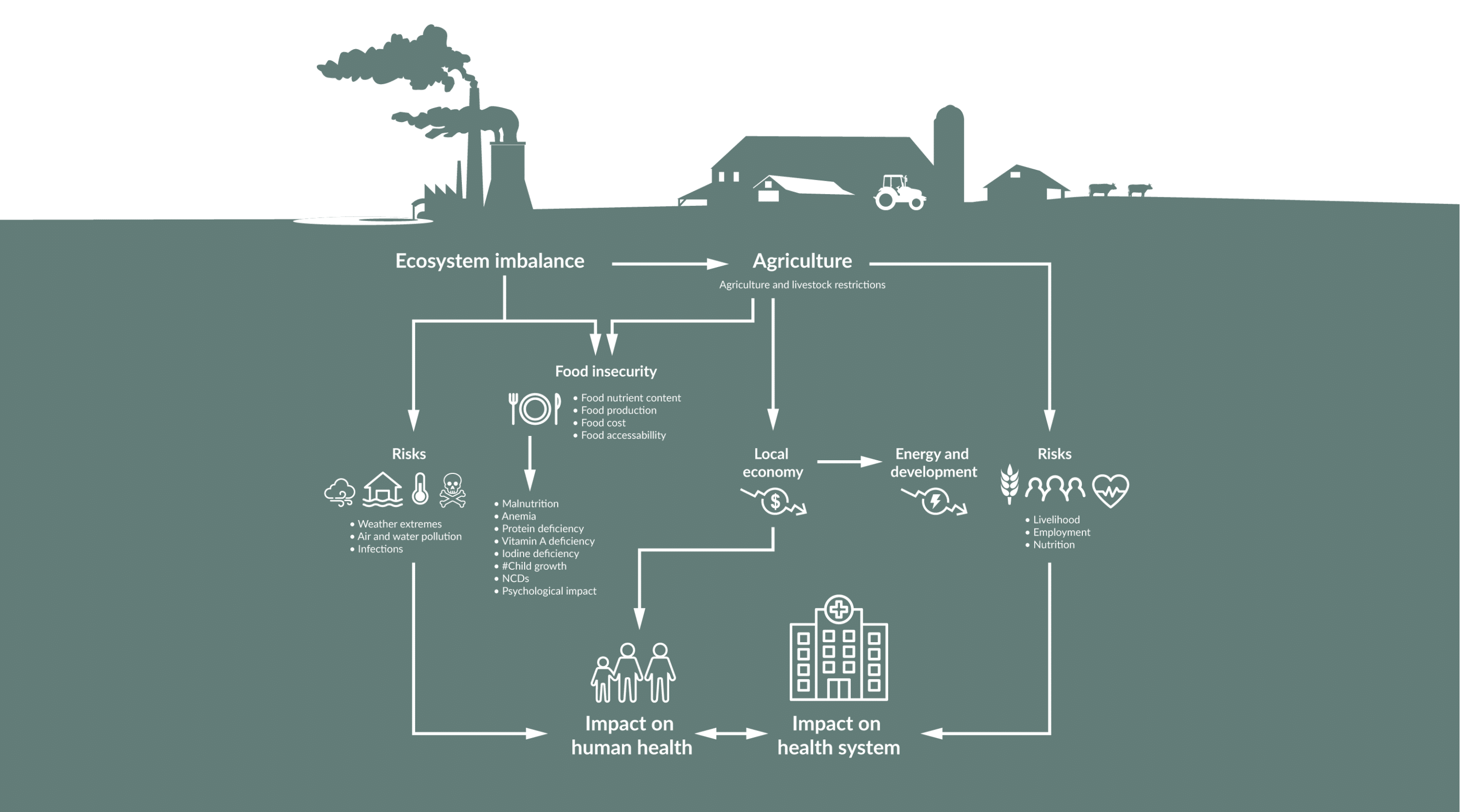
Planting carobs sustainable goals
Cultivating carob addresses several UN Sustainable Development Goals (SDGs), particularly those related to environmental sustainability, food security and community development. The crop is a versatile solution to some of the world’s most pressing environmental, economic, and social challenges.
Carob is a catalyst for global sustainability by addressing these 6 SDG’s:
SDG 2:
Zero Hunger
- Nutritional Value: Carob provides a nutrient-rich, plant-based ingredient that supplements diets, especially in regions with limited food diversity.
- Agricultural Sustainability: Carob cultivation requires minimal water and thrives in arid and degraded lands, supporting food production in challenging climates.
- Economic Opportunities: By growing carob, smallholder farmers & communities can generate incremental income through carob pods, seeds and derived products.
SDG 6:
Clean Water and Sanitation
- Water Efficiency: Requiring only 350 mm of annual rainfall, carob cultivation is a water-efficient option that contributes to sustainable water resource management, especially in water-scarce regions.
SDG 8:
Decent Work and Economic Growth
- Job Creation: Carob cultivation and processing provide employment opportunities in agriculture and food production.
- Rural Development: By promoting carob farming in arid and rural regions, it supports local economies and empowers communities.
SDG 12:
Responsible Consumption and Production
- Upcycling Byproducts: Carob fruit is a byproduct of locust bean gum (LBG) production. Turning this material into valuable ingredients epitomises sustainable production and waste reduction.
- Plant-Based Alternatives: Using carob as a natural, plant-based ingredient aligns with global efforts to reduce reliance on resource-intensive animal agriculture.
SDG 13:
Climate Action
- Carbon Sequestration: Carob trees absorb CO₂, existing plantations in Spain capture 150,000 – 250,000 tons annually. Supporting efforts to mitigate climate change by reducing atmospheric greenhouse gases.
- Drought Resilience: Carob trees require minimal water and are highly resistant to drought, making them a climate-resilient crop.
SDG 15:
Life on Land
- Land Rehabilitation: Carob cultivation can reverse desertification, improving soil health and increasing biodiversity in degraded areas.
- Sustainable Agriculture: Carob trees support sustainable land use, reducing pressure on arable lands while enhancing ecosystem services in marginal areas.